

by Stefan J. Bos, Worthy News Chief International Correspondent
JERUSALEM (Worthy News) – A 10-day ceasefire between Israel and Lebanon took effect at midnight local time after being announced by U.S. President Donald J. Trump, though skepticism remained over whether the truce would hold.
Trump said Friday he is inviting Israeli Prime Minister Benjamin Netanyahu and Lebanese President Joseph Aoun to the White House for what would be their first direct talks in more than 30 years.
Aoun had refused to speak with Netanyahu just hours earlier. However, both governments ultimately agreed to the ceasefire following more than a month of fighting between Israel and the Iran-backed Hezbollah group in Lebanon after deadly clashes.
Nearly 2,200 people in Lebanon have been killed by Israeli airstrikes, according to local authorities. Israel says it targets “Hezbollah terrorists” who often hide in civilian buildings.
However, news of the ceasefire spread through Israel’s northern communities while sirens blared three times overnight, warning of incoming rockets from Lebanon, witnesses said.
TRUCE UNDER STRAIN
“In the sky above the northern city of Nahariya, Israel’s air defense interceptors shot them down, triggering loud explosions. Ambulance crews said at least three people were wounded by shrapnel in the hours before the ceasefire took effect, including two seriously,” said Lucy Williamson, a Middle East correspondent for broadcaster BBC in Nahariya.
“On the ground here—and across the country—there’s skepticism about why Israel’s leader has signed up to the truce,” she added, referring to Netanyahu.
In Tel Aviv, Israel’s largest city, residents expressed both hope and reservations about the ceasefire, two days after the countries held their first direct diplomatic talks in decades in Washington.
“I think it is in the best interest of both Israel and Lebanon to have a ceasefire, and hopefully both countries will be wise enough to hold it,” said Tel Aviv resident Eyal Rosovsky.
On the other side of the border, Lebanon’s state-run National News Agency reported that Israeli shelling “continued” in the villages of Khiam and Dibbine on Friday, about half an hour after the truce began.
VIOLATIONS REPORTED
The Lebanese Army repeated its warning to displaced residents against returning to southern Lebanon due to intermittent shelling.
Israel’s military said early Friday that it was looking “into reports of shelling and artillery fire” in southern Lebanon.
The terms of the ceasefire, provided by the U.S. State Department, prohibit Israel from offensive military actions in Lebanon. However, they appear to leave room for “self-defense,” including actions against “planned, imminent, or ongoing attacks.”
Despite reported violations, United Nations Secretary-General Antonio Guterres welcomed the ceasefire.
Guterres said he hopes the truce will pave the way for negotiations toward a long-term solution to the Israel-Hezbollah conflict, U.N. spokesperson Stéphane Dujarric said.
REGIONAL RISKS
Guterres praised the United States for facilitating the ceasefire, he added.
The secretary-general reaffirmed U.N. support “for all efforts to end hostilities and the suffering of people on both sides of the Israel-Lebanon border,” Dujarric said.
However, concerns remained over a separate ceasefire involving Israel, the United States, and Iran.
Pakistan’s army chief met with Iranian officials in Tehran on Thursday in a bid to extend that separate ceasefire arrangement.
Copyright 1999-2026 Worthy News. This article was originally published on Worthy News and was reproduced with permission.
Latest News from Worthy News

A 10-day ceasefire between Israel and Lebanon took effect at midnight local time after being announced by U.S. President Donald J. Trump, though skepticism remained over whether the truce would hold.

Péter Magyar, Hungary’s incoming prime minister, has reached out to the Jewish community and invited Israel’s government leader to Budapest despite an arrest warrant against him by the International Criminal Court (ICC) in The Hague.
A renewed effort is underway in the U.S. House of Representatives to expunge the first impeachment of Donald Trump, following newly declassified information tied to the 2019 Ukraine whistleblower complaint.
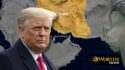
Iran has announced the reopening of the strategically vital Strait of Hormuz following a temporary ceasefire between Israel and Lebanon, prompting a strong response from global markets and cautious optimism from world leaders.

The United States and Iran are considering a two-week extension of their ceasefire to allow more time for negotiations on a broader peace deal, easing immediate fears of renewed fighting despite an intensifying standoff over the Strait of Hormuz, officials said, prompting a global stock rally.

Christian workers in India fear proposed legislation will accelerate a government crackdown on foreign-funded mission groups, especially those supporting Dalits, viewed as “outcasts” in the country’s ancient Hindu social hierarchy.

Turkey plunged into mourning Thursday as funerals were held for nine people killed when a 14-year-old opened fire at a school, one of the deadliest such shootings in the nation’s recent history.